

Best Home Insurance for First Time Buyers
46
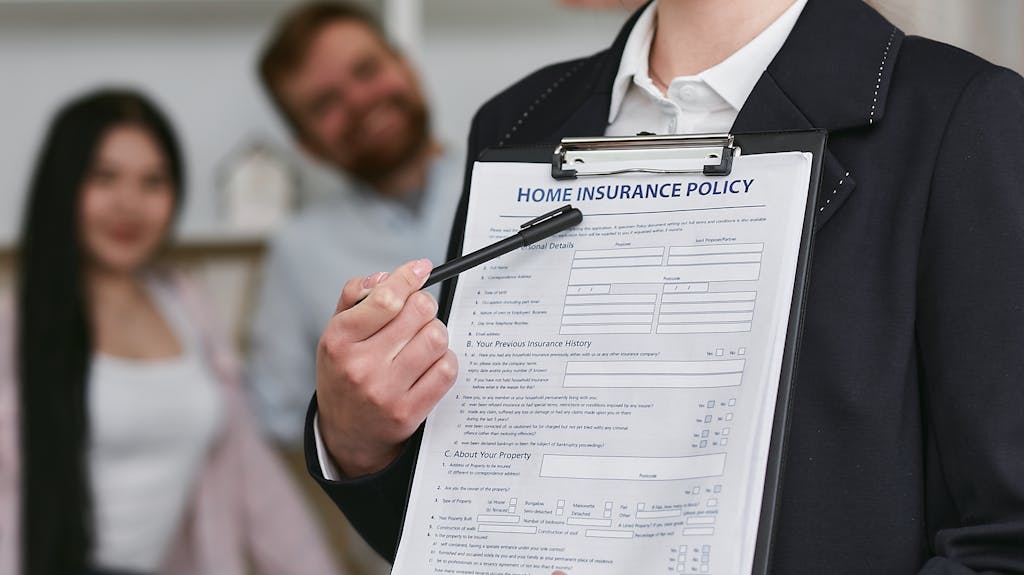
Buying your first home can be exciting, and protecting it with the right home insurance is essential. Home insurance safeguards your investment by covering damages, repairs, and liabilities. Here’s what first-time buyers need to know about selecting the best home insurance.
Understand What Home Insurance Covers
Home insurance typically covers your home’s structure, personal belongings, and liability protection if someone gets injured on your property. It also includes additional living expenses if your home becomes uninhabitable due to covered events such as fire or storms.Get Enough Coverage
Make sure your policy provides enough coverage to rebuild your home at current market rates. Avoid underinsuring your property, as it could leave you covering a portion of repair costs out of pocket.Look for Bundling Discounts
Many first-time buyers bundle home insurance with auto insurance for discounts. Bundling not only saves money but also simplifies managing multiple policies.Assess Deductibles
A higher deductible means lower monthly premiums, but it also means paying more out of pocket for claims. Choose a deductible that fits your financial situation while keeping premiums affordable.Compare Insurance Providers
Shop around to compare plans, prices, and customer reviews. Look for providers with strong reputations for claim payouts and excellent customer service. Companies like State Farm, Allstate, and Nationwide are often recommended for first-time homebuyers.Specific Coverage Needs
Depending on your location, you may need additional coverage like flood insurance or earthquake insurance. Standard policies often don’t cover these risks, so check your policy and add extra protection if necessary.Usage of Discounts
Many insurers offer discounts to first-time buyers if you have a security system, fire alarms, or good financial history. These discounts can significantly lower your premiums. Getting the right home insurance as a first-time buyer ensures your home is protected against unexpected events. Take time to research, compare policies, and understand your specific needs before making a decision.




Related Articles

Best Home Loans for First Time Buyers
Buying your first home is a big step, and finding a loan...
Business Loan Application Checklist
Applying for a business loan involves preparation and gathering the right documents...

What Is a Secured Credit Card
A secured credit card is a great tool for building or rebuilding...


What Are Closing Costs in a Mortgage
Closing costs can be confusing for first-time homebuyers, but they are an...