

Furniture Placement Tips for Small Spaces
44

Arranging furniture in a small space can be tricky, but with the right strategies, you can maximize functionality and create a visually appealing layout.
Prioritize Multi-Functional Furniture
In small spaces, every item matters. Look for furniture that serves dual purposes, such as a sleeper sofa, ottomans with storage, or foldable tables. These pieces save space while providing versatility.Use Vertical Space
Take advantage of your walls to free up floor space. Use tall shelves, wall-mounted storage, or floating desks to keep items organized while making the room feel more open.Keep Walkways Clear
Create pathways that allow you to move freely. Avoid placing large furniture in high-traffic areas, as this will make the space feel cluttered and difficult to navigate.Choose Light and Compact Pieces
Smaller furniture with clean lines fits better in tight spaces. Avoid bulky designs and opt for pieces that are proportional to the size of the room.Focus on Focal Points
Decide which area of the room will serve as the focal point and arrange furniture accordingly. This could be a window, a TV, or a fireplace. Placing key pieces around this point creates balance and focus.Use Mirrors to Create Depth
Mirrors reflect light and make small spaces feel bigger. Place a large mirror on one wall or use mirrored furniture to add depth and brightness to the room.Avoid Overcrowding
Too much furniture can make a small space feel overwhelming. Prioritize the essentials and leave enough open areas to keep the room breathable and functional. Proper furniture placement allows even the smallest spaces to feel comfortable and stylish. These tips make the most out of your square footage while ensuring functionality and flow.





Related Articles
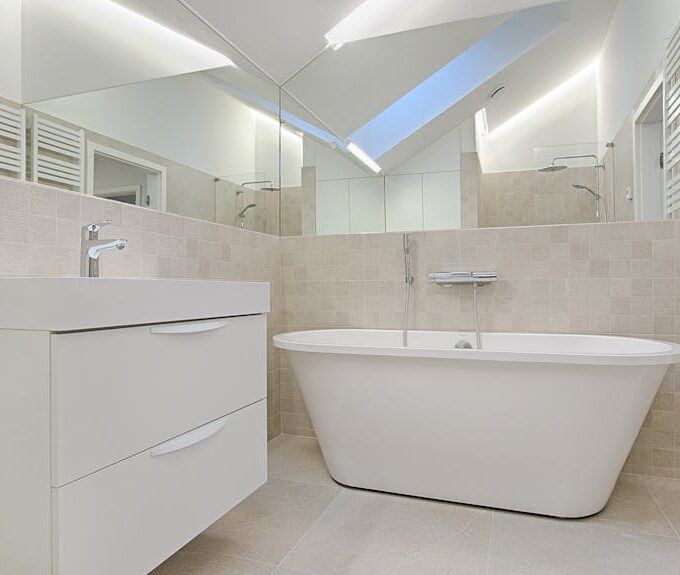
Bathroom Vanity Materials Compared
Bathroom vanities are both functional and decorative, and the material you choose...

Top Kitchen Appliances for Healthy Cooking
Healthy cooking begins with the right tools. Modern kitchen appliances can simplify...
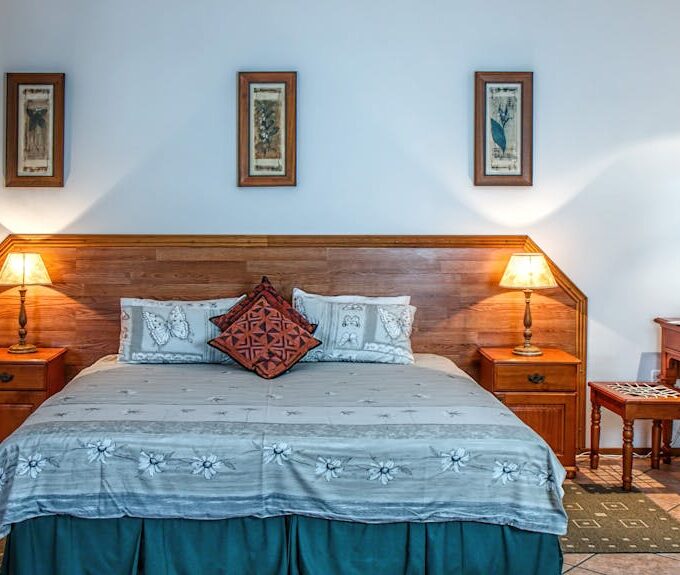
How to Make Your Bed Comfortable
A comfortable bed is essential for quality sleep. With a few adjustments...

Generic Home Decor Mistakes to Avoid
Decorating your home is exciting, but it’s easy to fall into common...