

New Phones vs Refurbished Phones
45
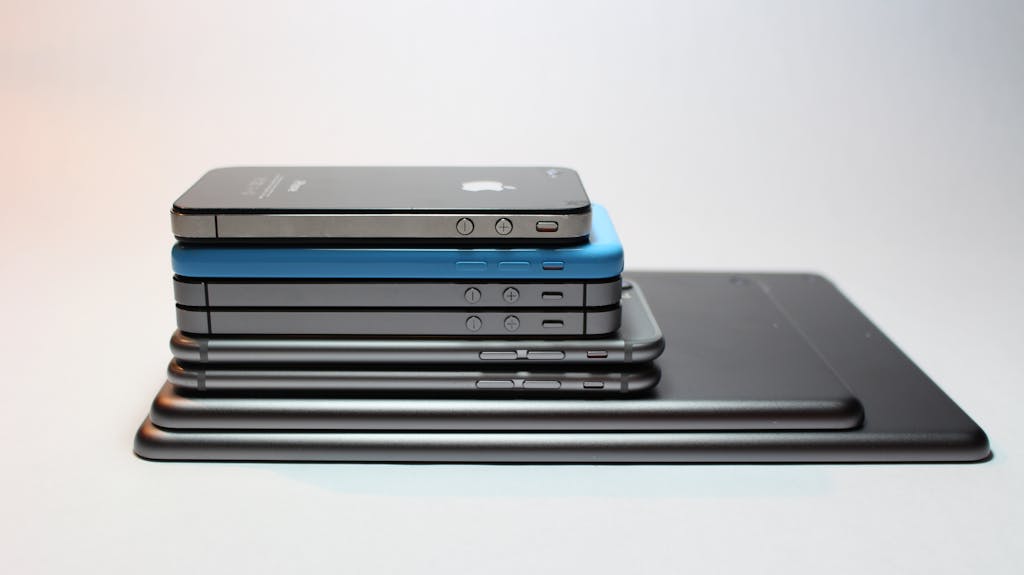
Deciding between buying a new or refurbished phone can significantly affect your wallet and satisfaction. Here are the key aspects to consider when making this decision.
Cost Savings
Refurbished phones are generally less expensive than new ones, providing great value if you’re on a budget. New phones come at a premium price, especially if you’re interested in the latest models with the newest features.Quality Assurance
A new phone guarantees the latest technology and often comes with longer warranty periods. Refurbished phones should pass rigorous testing standards before resale, often coming with warranties too, but ensure you purchase from reputable sellers for quality assurance.Latest Features
New phones have the latest features and upgrades, appealing to those interested in cutting-edge technology or the latest camera capabilities. Refurbished phones may lack some of these new developments if they are older models.Environmental Impact
Choosing a refurbished phone is more eco-friendly as it reduces e-waste by reusing devices. This can be a decisive factor if you’re environmentally conscious and wish to support sustainable practices.Availability
New phones are always being released with limited availability upon launch, while refurbished phones offer a wide selection of older and sometimes recent models. This variety allows you to find a suitable phone based on your needs and budget.Performance
New devices are less likely to have performance issues or wear and tear. However, a well-refurbished phone should function like new. Ensure it’s been tested for reliability to avoid unexpected issues.Depreciation
New phones depreciate quickly. If you’re someone who changes phones frequently, buying refurbished may offer better value, as the initial depreciation has already occurred. Considering these factors can help you choose between a new and a refurbished phone, striking the right balance between cost, features, and personal needs.





Related Articles
Phone Plans for Seniors
Selecting a suitable phone plan for seniors involves focusing on their unique...

Laptops with Long Battery Life
For people who use laptops on the go, having one with long...
Internet Plans with No Data Caps
For those who heavily rely on the internet, finding a plan with...


How to Choose Electronics Gifts
Choosing electronics as gifts can be a great way to surprise and...